I’m not sure exactly where to start–these days have been so packed that I am struggling to find the time to both sleep and blog(journal.) It’s currently 10pm. I’m sitting in my hotel room…no, now I’m in the lobby. Murray and Ryan just returned with Cassandra, one of the new interns working with Ryan here in Turkey. In a few minutes, once everyone else gets down here, we will do our “oral exam” (singing our song about Egypt, the Hittites, Assyria, Babylon, Persia, Greece, Rome, Byzantine, Ottoman, and Modern Turkey.) if I can stay awake after this, I’ll try to type up a blog entry.
We just finished our exam though I’m not sure I know what kind of grade we might have received. Now I’ve been sitting, staring at the screen for 15 minutes, trying to remember the beginning of this day…
…ok, we started the day on the roof for breakfast. There was a restaurant up there, so that actually makes sense. After breakfast, we drove 30-40 minutes through the beautiful countryside to Selçuk (Ephesus). Let me write a short little sibebar here about Turkey itself…I am not sure where I got this picture in my head, but for some reason, I thought Turkey was a semi-barren place, kind of how I also picture Israel. I didn’t think it was desert, but maybe something like Southern California, if we received no rain – wait, we may be heading there now, huh? Anyway, The first few days–Istanbul and then the drive from Istanbul to Çanukkale were fairly green–something like the MIdwestern states of the USA, but with some different vegetation here and there. The drive from Çanukkale to Kuşadası seemed to evolve to a decidedly less lush habitat. As we drove down into the vally where Kuşadası sits, at the edge of the Aegean Sea, it actually looked quite a bit like Southern California. Up at the elevation of Efes (Ephesus) it seemed similar to Big Bear, but with very different species of evergreen trees. As a further side note,we also saw a few storks while in Selçuk,
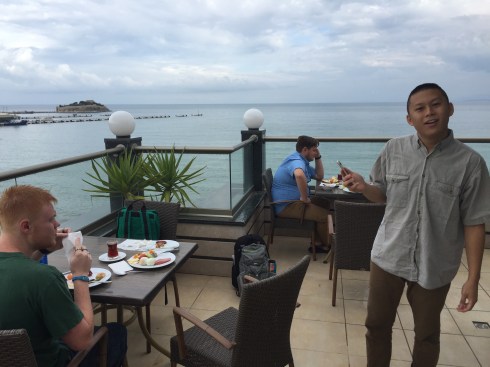
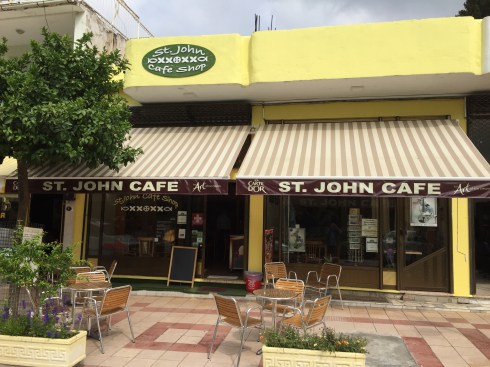
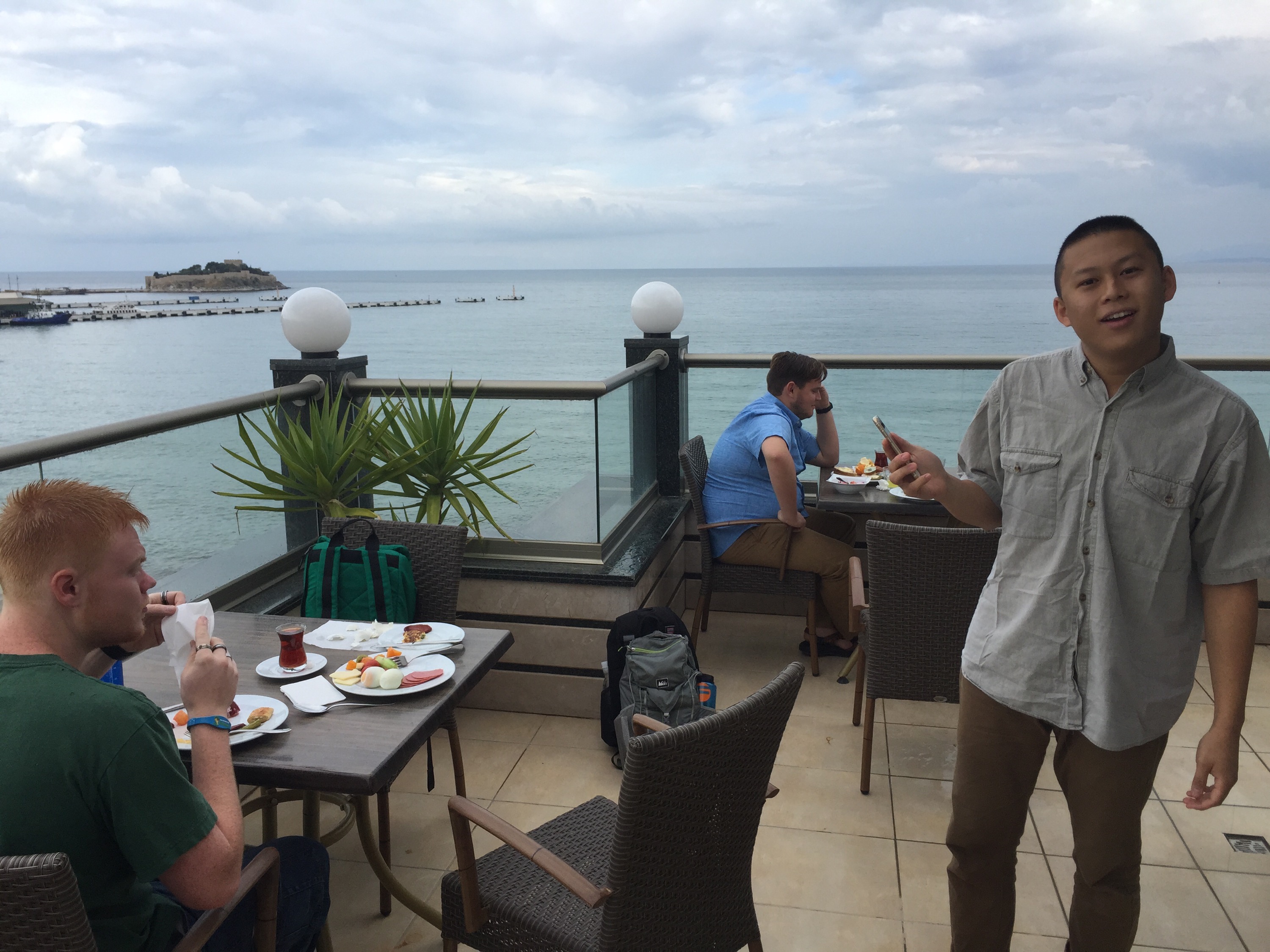
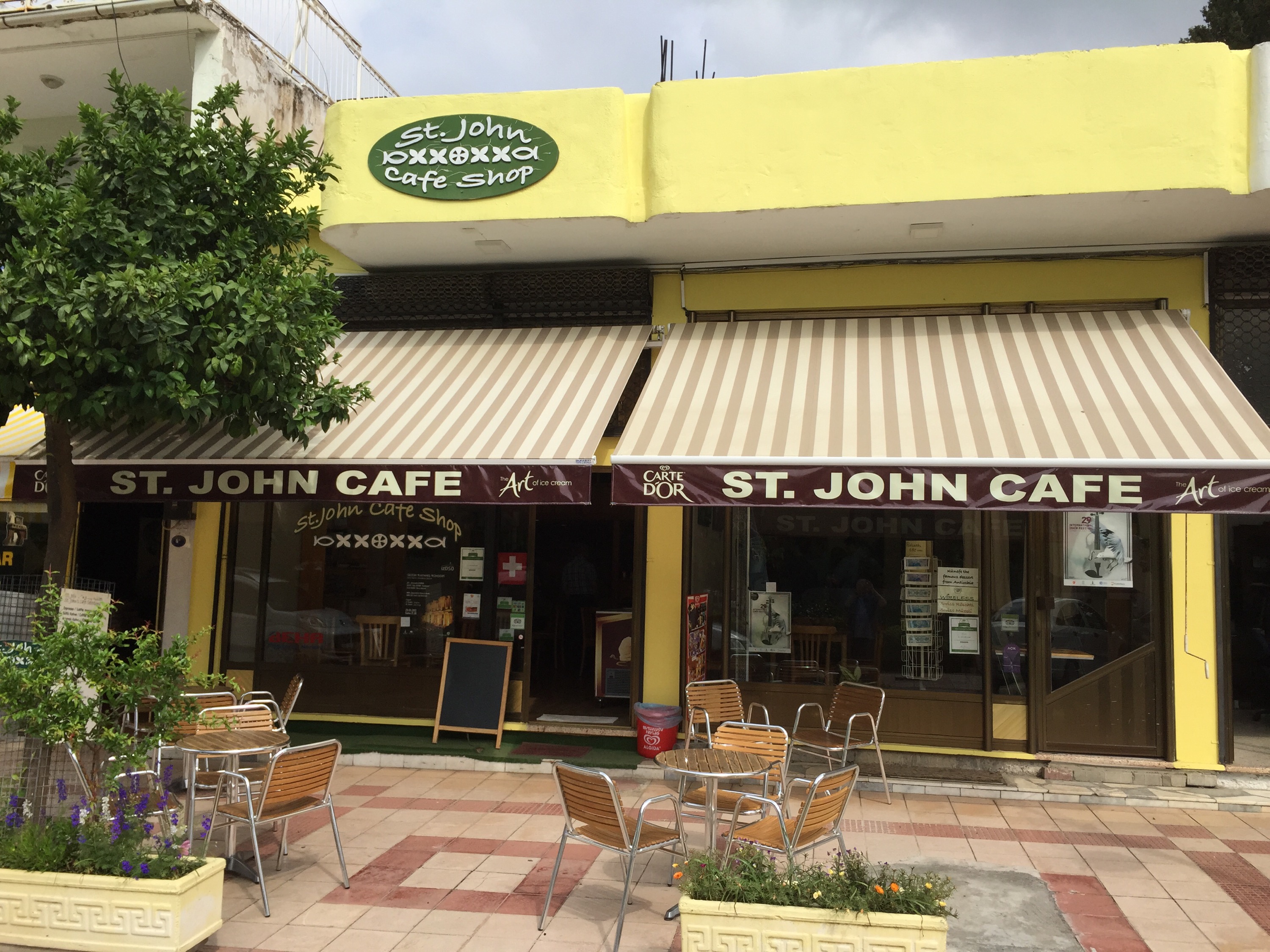
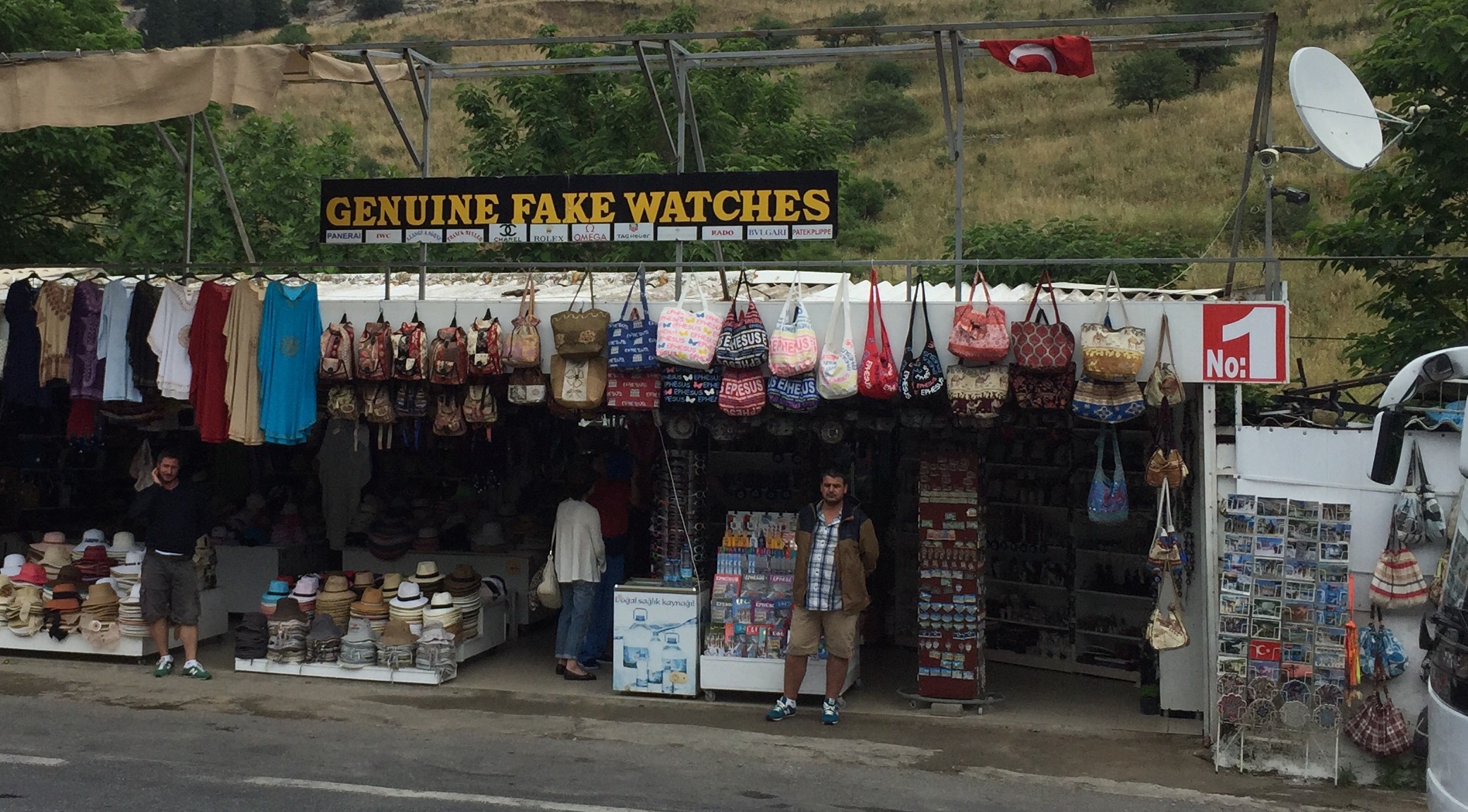
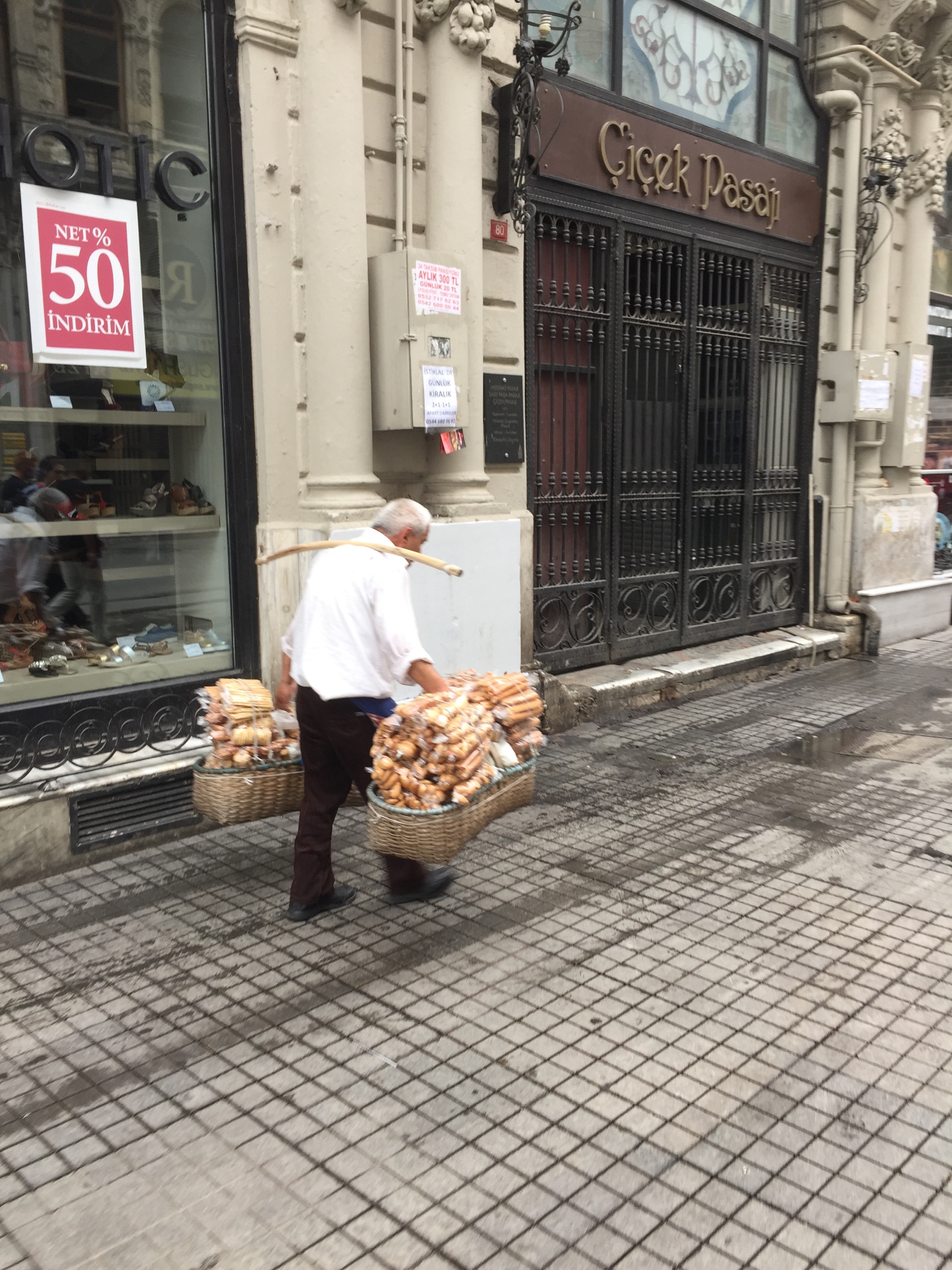
OK, back to our regularly scheduled blog…when we pulled into Selçuk, we picked up our guide at a local coffee shop and then headed to Ephesus itself. Here are a picture of the coffee shop and a store near the upper gate (Magnesium Gate) of Ephesus, from where we started our tour (oh, and the rooftop breakfast.)
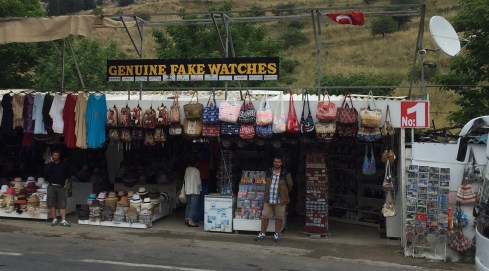
Hey! At least they’re honest about it!!
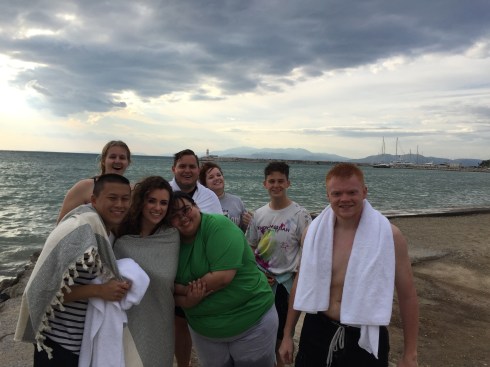
I’m sorry, but the internet in this otherwise fantastic hotel is VERY slow tonite and it took me about anout hour to upload those three photos. I’m heading to bed and will try to finish this tomorrow…Saturday morning, on the roof, eating some hard boiled eggs, french fries, tomatoes, cucumbers, toast with honey, string cheese, and salami with my commanding view of the Kuşadası Harbor–doesn’t get much better than this, unless my wife is with me-in which case, there’s NOTHING better, at least this side of heaven! A cruise ship docked sometime between when I went to bed last night and woke up this morning. I’m not sure they disembarked anyone yet though as at 5 minutes till 9am, it’s still a sleepy litte seaside town-much different atmosphere than Istanbul for sure.
Sometime last night they also seemed to have changed the password for the internet as I can’t log on, so I’m not sure when I might be able to post this updated blog entry about Kuşadası and Ephesus. Where was I?…
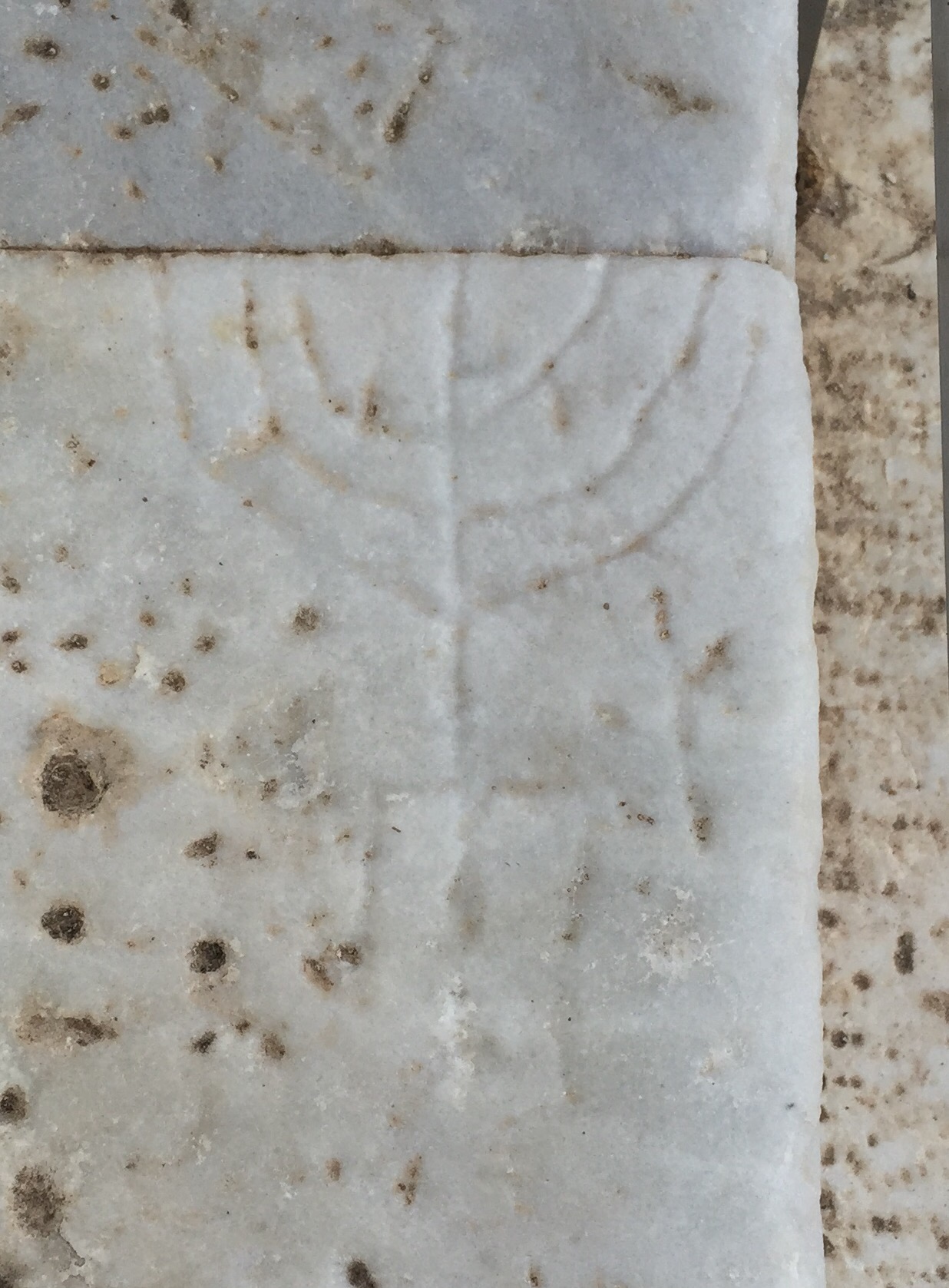
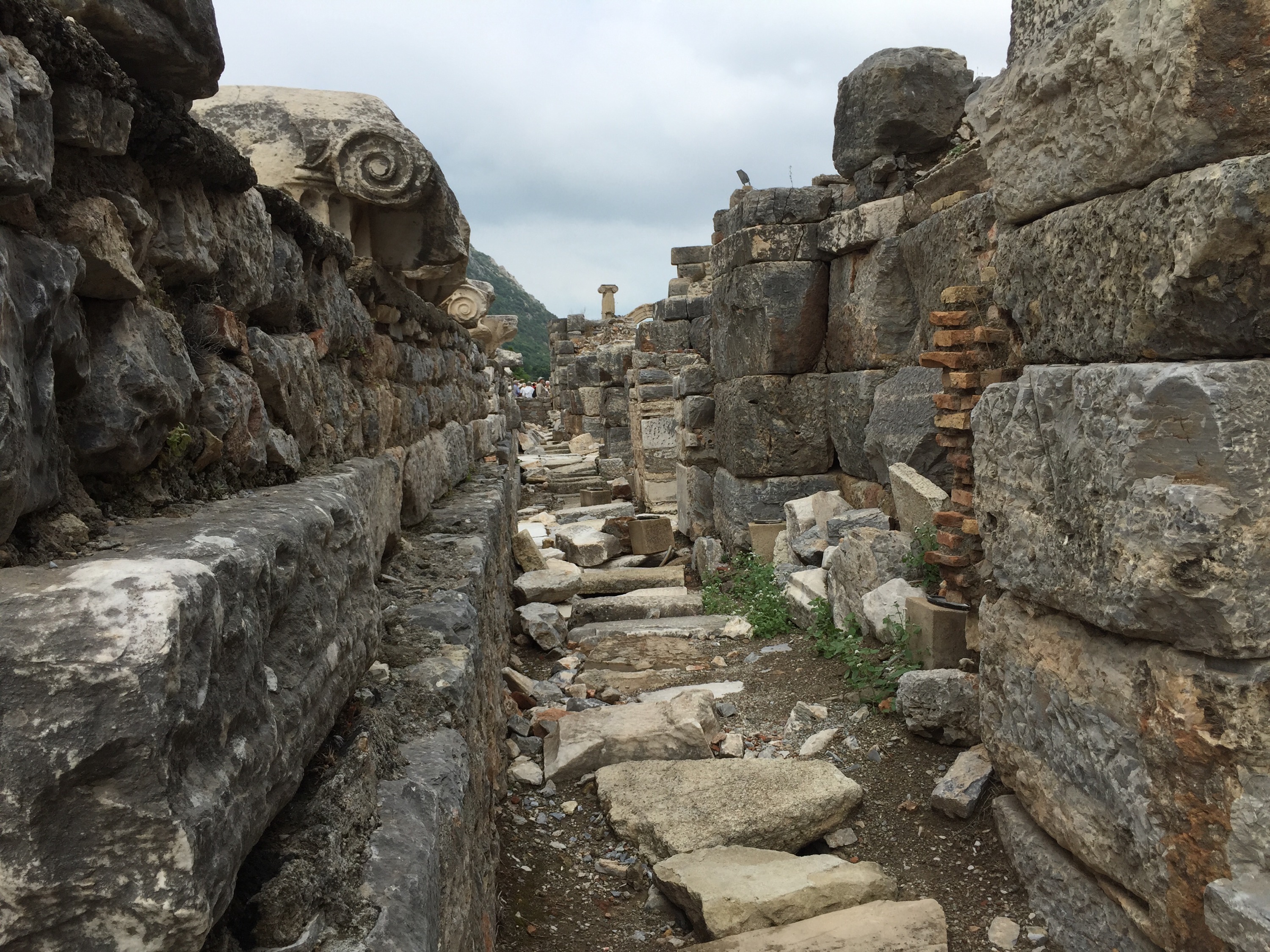
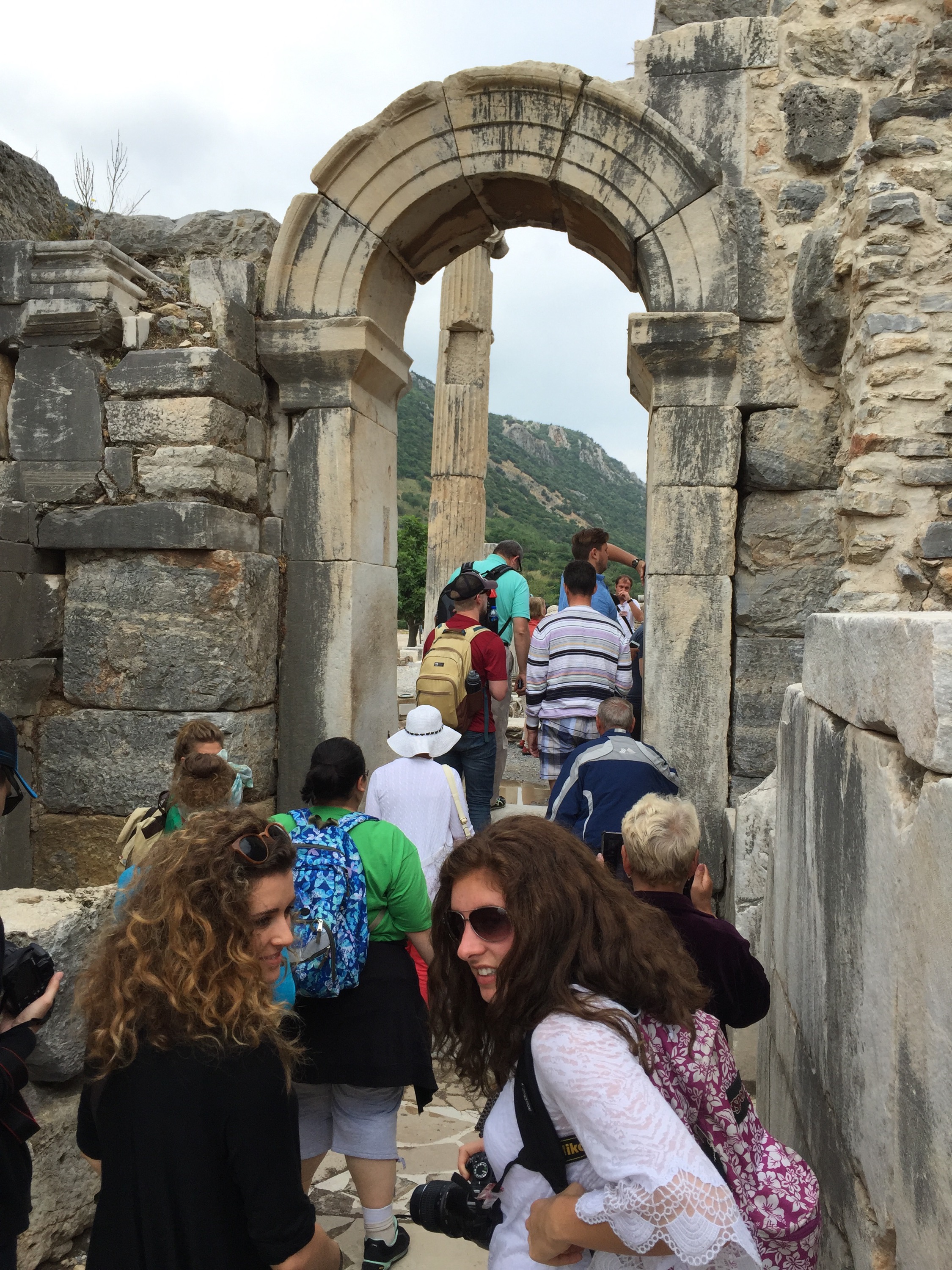
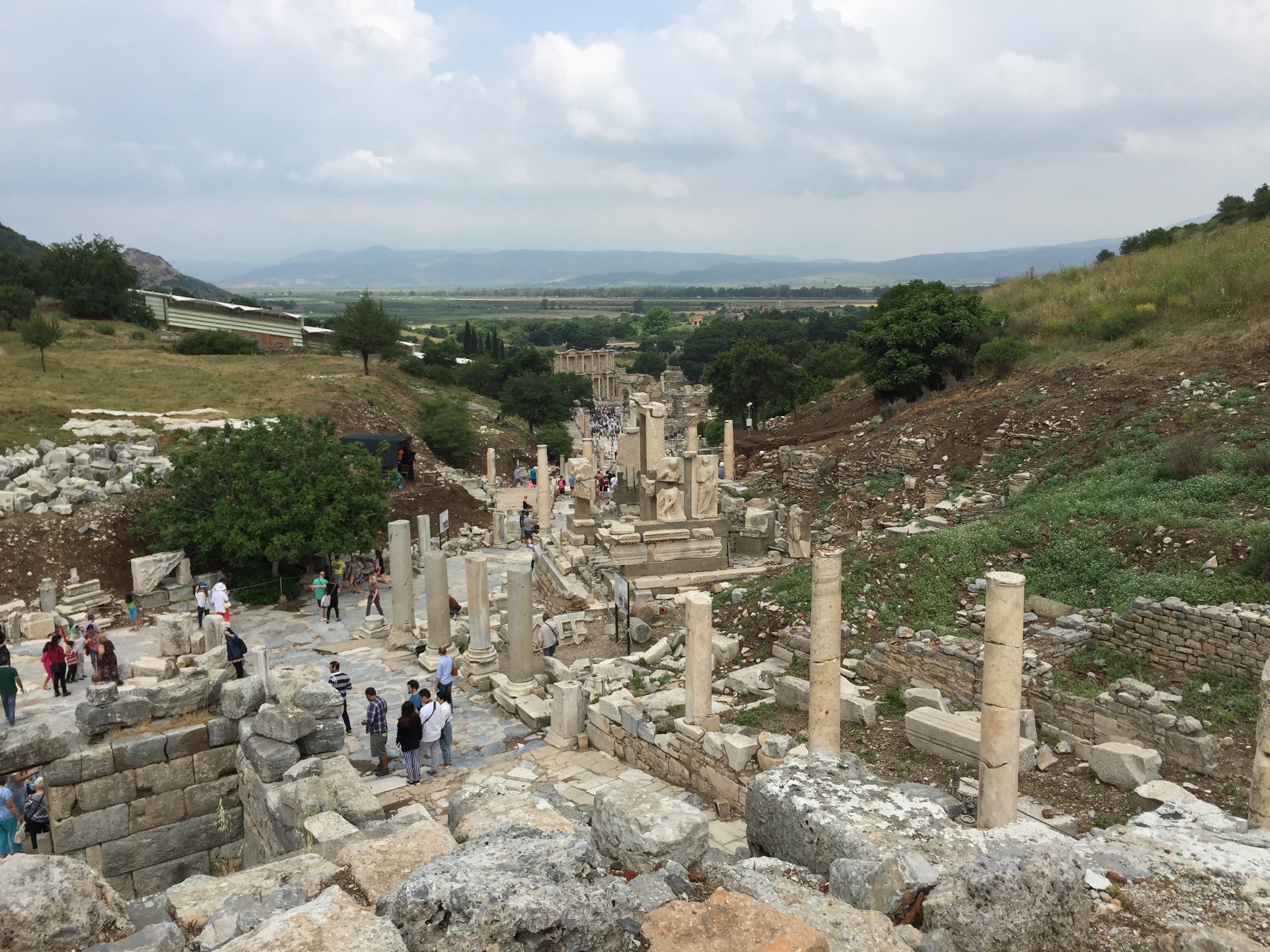
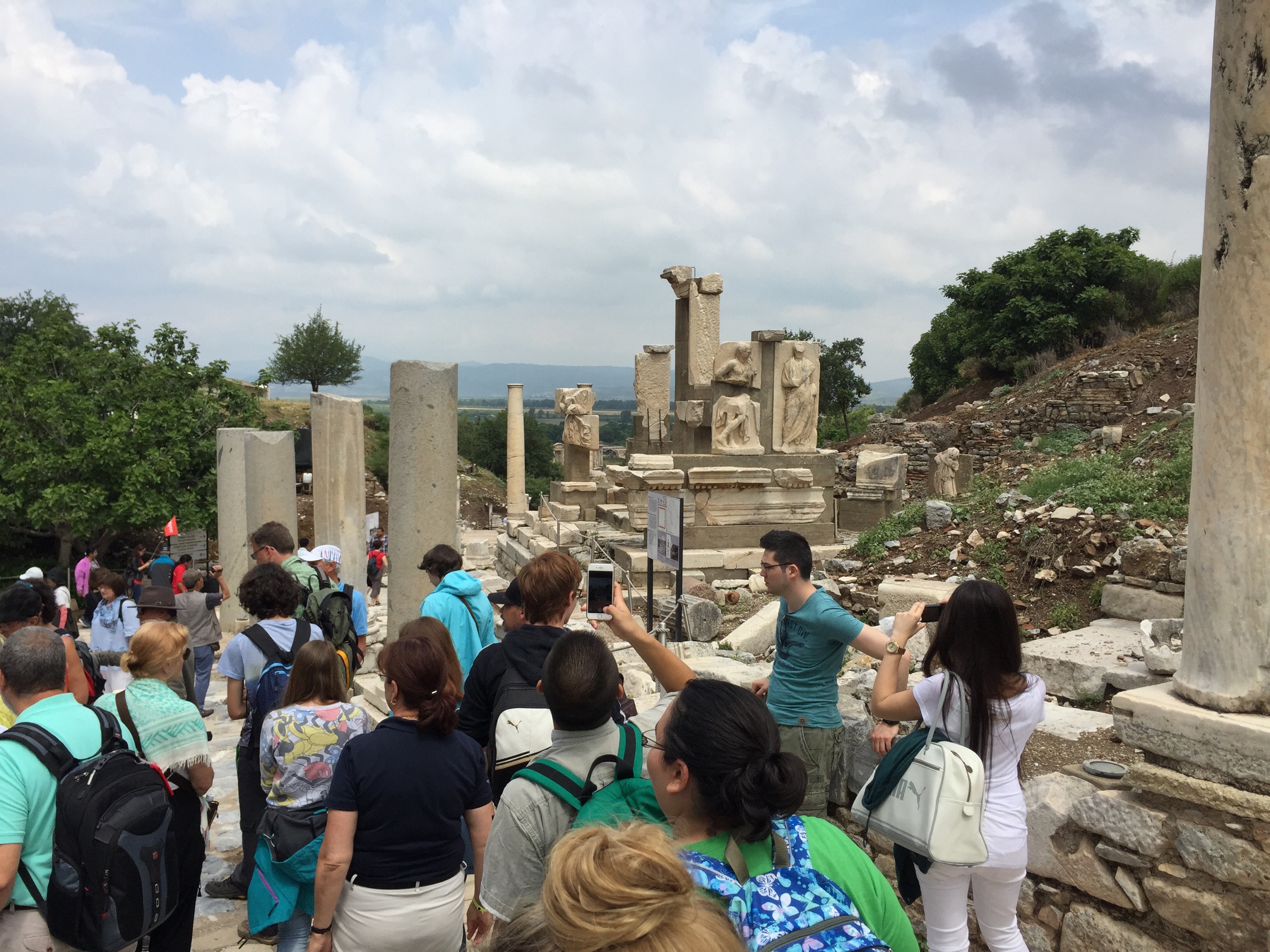
…oh yeah…Ephesus was one of the most meaningful ancient sites I’ve ever had the privilege to visit. The apostle Paul spent a couple of years on one of his missionary trips. We got to walk the same streets that Paul would have walked, see some of the actual parts of the city mentioned in the bible (check out Acts 19.) When Paul arrived in Ephesus he found a dozen disciples who had been baptized into John’s baptism and not in the name of Christ. Paul laid hands on them, they were baptized in the name of the Lord Jesus and received the Holy Spirit. As was Paul’s practice, he went to the synagogue and preached the gospel. He did this in Ephesus for three months. They have not found the synagogue (I think only about 10% of the city has been excavated so far) yet, but we did see evidence that there were Jews in the city.
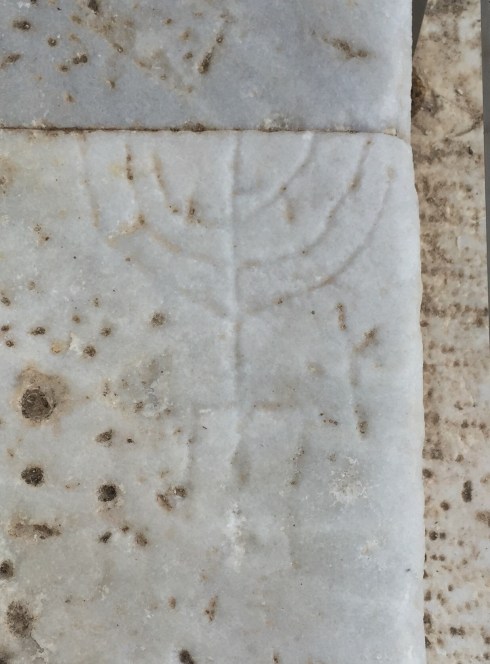
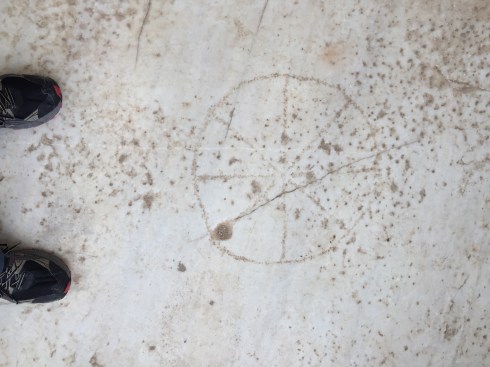
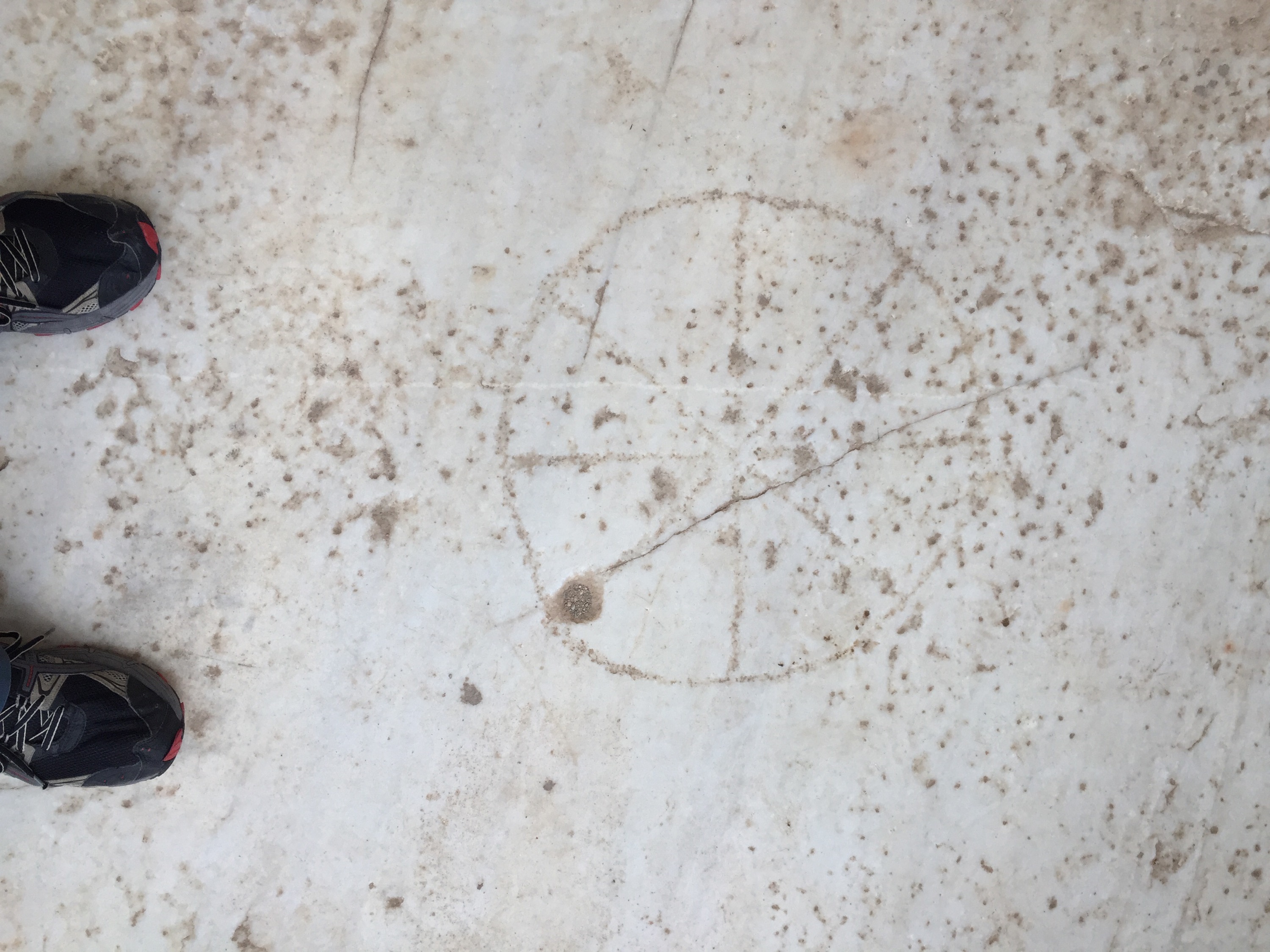
The menorah was carved in one of the steps on the Library. The “wagon wheel” is evidence there were Christians in the city as well. It was used as a sort of code to let visitors to towns all over the empire know that Chrisitans lived there. Back to the story…as Paul continued to preach and more and more people came to faith in Christ, some Jews grew hard and Paul took his disciples and started teaching them in the school of Tyrannus (which he did for 2 years.) This disciple making was so effective that “all who lived in Asia heard the word of the Lord, both Jews and Greeks.” Paul’s work in Ephesus had far reaching effect as the city (likely about 250,000 people at the time) was the capitol of of the Roman province of Asia. Ephesus had many visitors each year who came to worship at the temple of Artemis, which if I read correctly, was several times larger than the Parthenon in Athens. This brought a lot of people to the streets of Ephesus, people who did business in the Agora-thriving businesses which opened the door for sharing of the gospel, which then was exported to the places these pilgrims and clients returned to and called home.
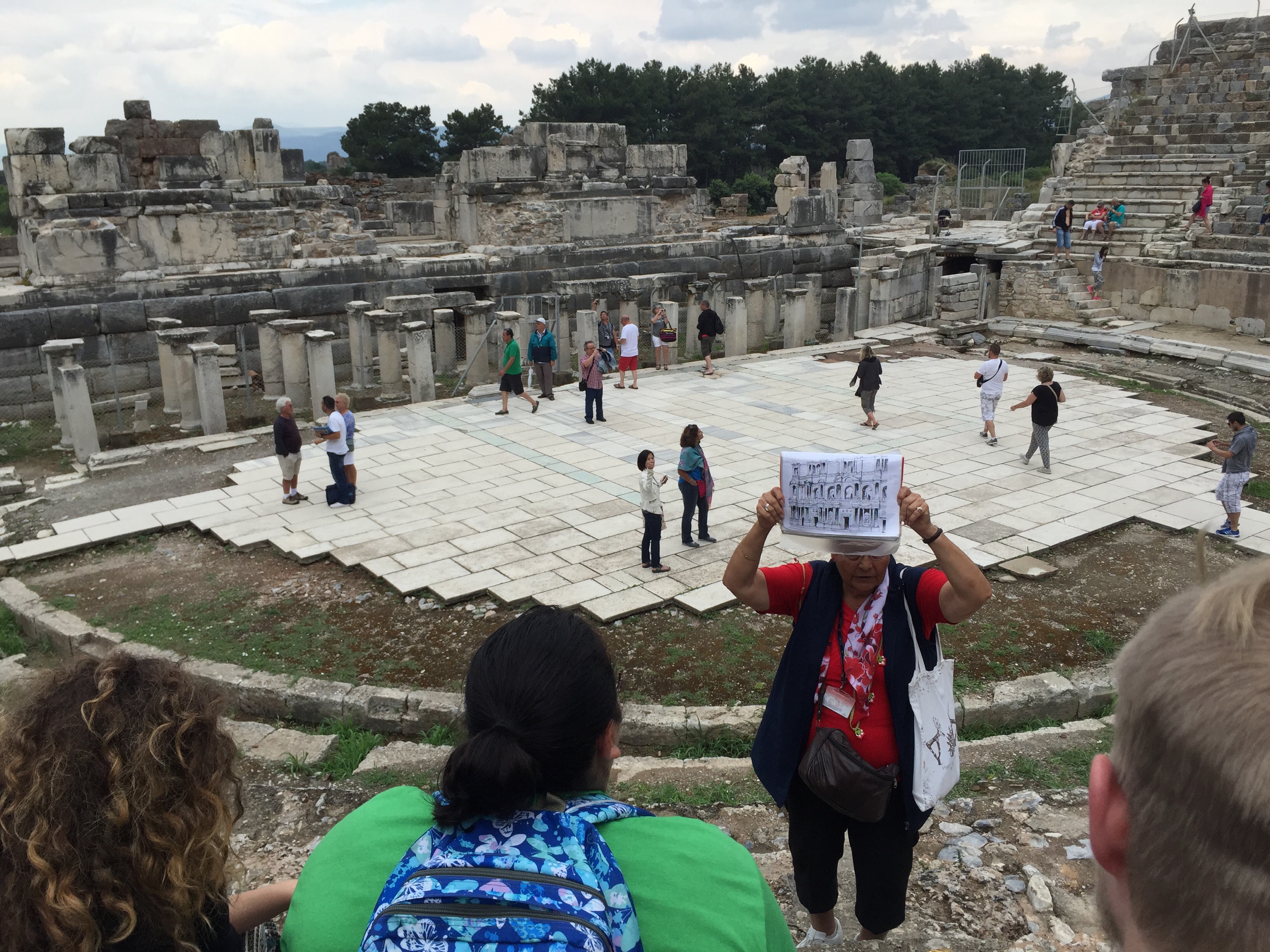
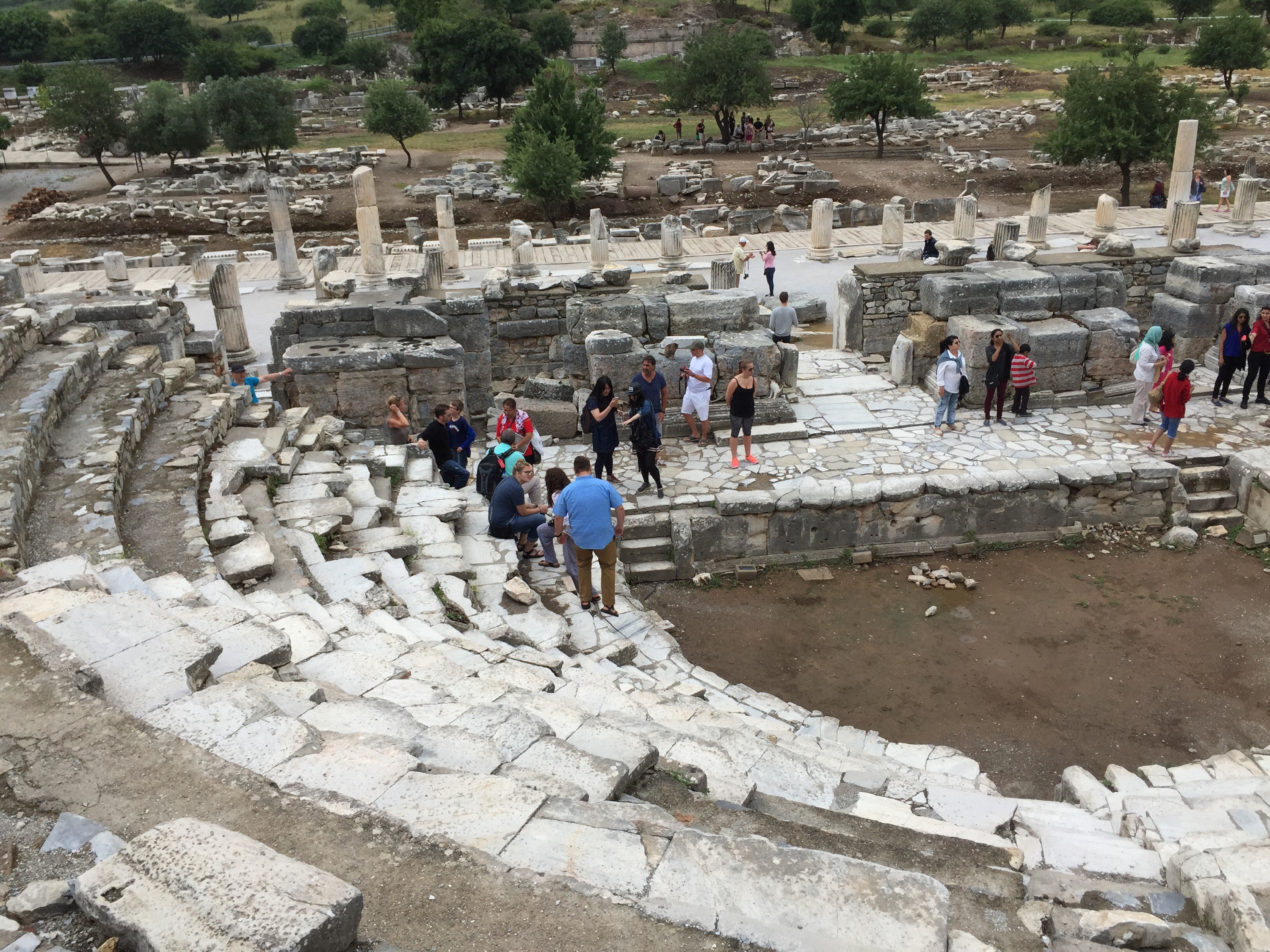
While in Ephesus, God was working mightily throught Paul, performing “extraordinary miracles” – so much so that “fear fell upon them all and the name of the Lord Jesus was being magnified.” As Luke wrote, “the word of the Lord was growing mightily and prevailing.” Ephesus, because of its exalted place as the home of Artemis worship, also had a thriving trade in idols for worshipping Artemis. There was a silversmith in Ephesus, Demetrius, who felt threatened by the prospect of lost business due to people becomeing followers of Jesus rather than of Artemis. He stirred up his fellow idol craftsmen and literally started a riot, which filled the city with confusion. The rioters rushed to this theater, bringing two Christians with them.
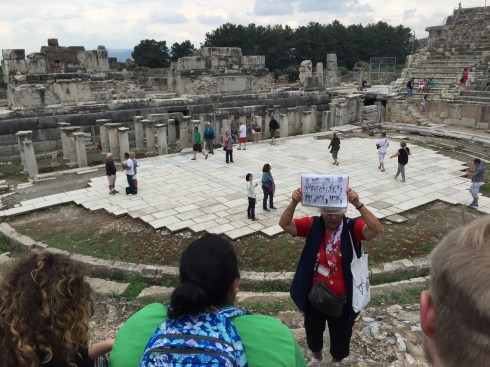
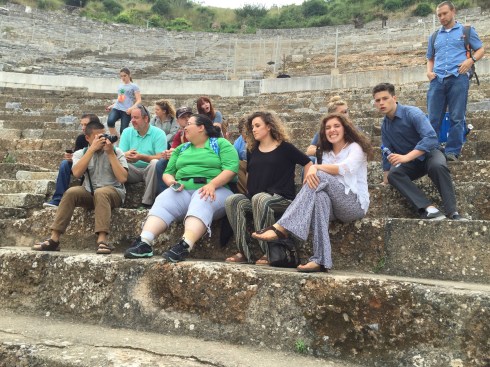
Luke tells us that while this was going on, Paul heard about it and wanted to go to the theaer to reason with them but that the disciples would not allow him to go into the assembly. Some of Paul’s friends in Ephesus were political/religious officials of the province of Asia and “repeatedly urged” him not to go to the theater. There was so much shouting and the rioting so confusing that many didn’t even know what the riot was about in the first place. For two hours they were there shouting, “Great is Artemis of the Ephesiians!” The town clerk came and quieted the crowd, reminding them that if word of a riot got back to Rome, they would lose their autonomy as troops would be sent, garrisoned in their city and Ephesus would change dramatically from the city they loved and lived in. But that if they insisted, the matter would be settled in court, in the upper city. The location of the Agora, the Theater, and the civil center of town explained why it took two hours for the city clerk to hear about the riot and come speak to crowd in the theater (the civic center was uphill and out of hearing range – the theater facing away from that part of the city.)
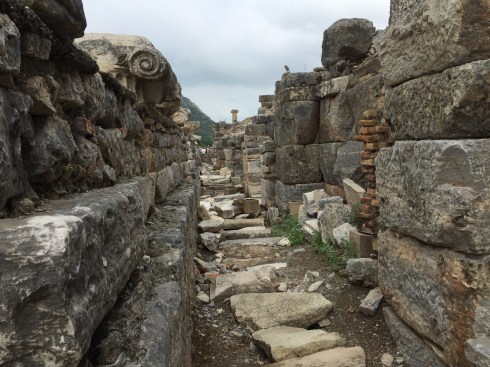

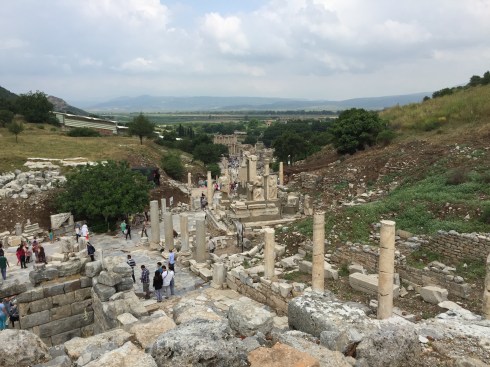
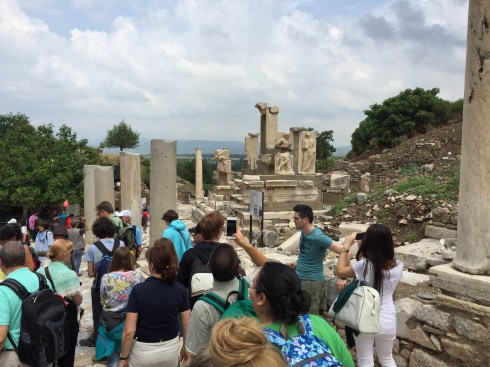
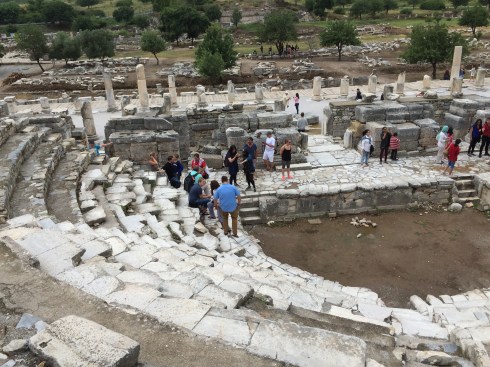
This theater is the civil one where they would have had a trial if needed.
Time to pack up and head to our next destination…
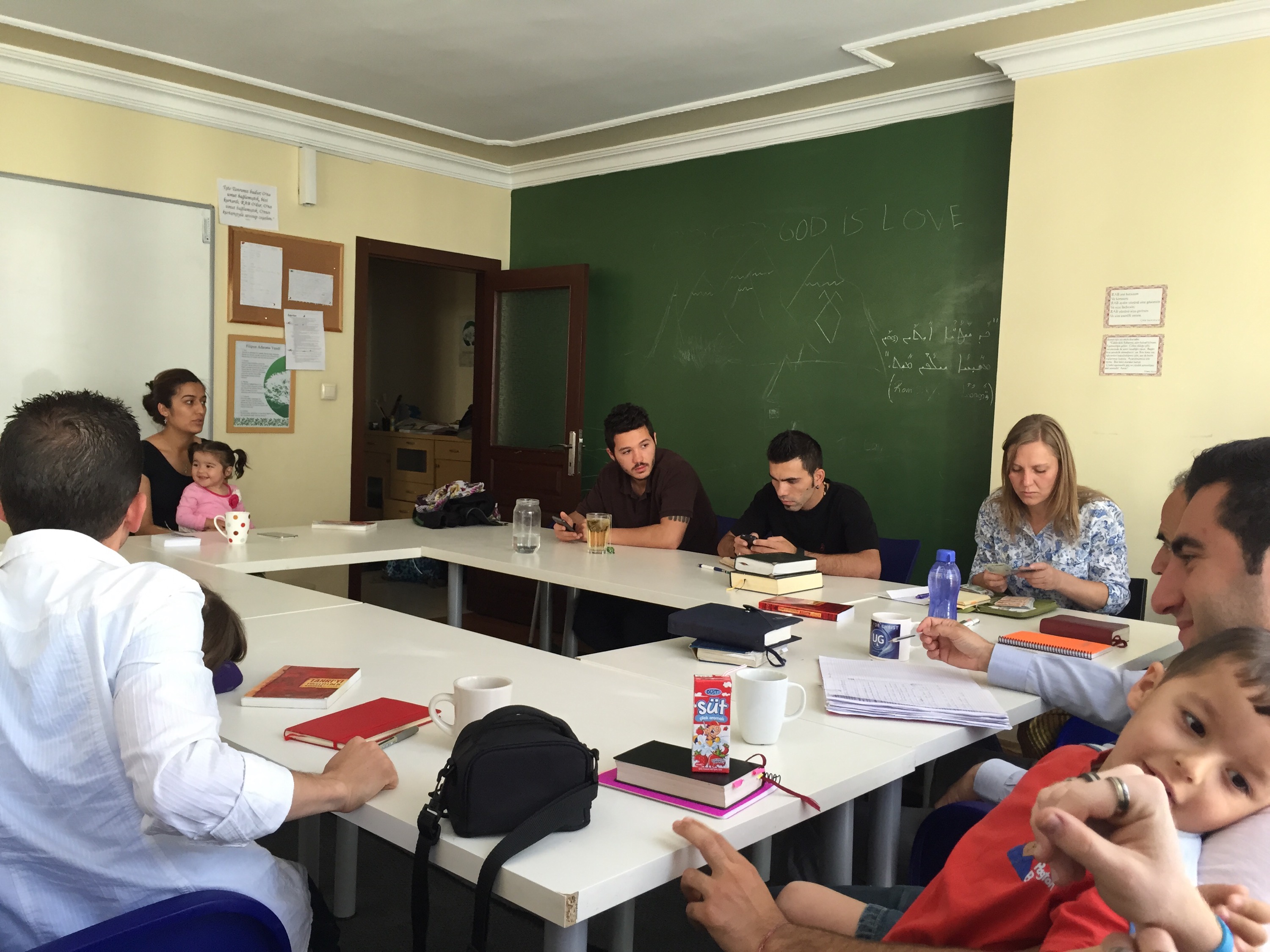
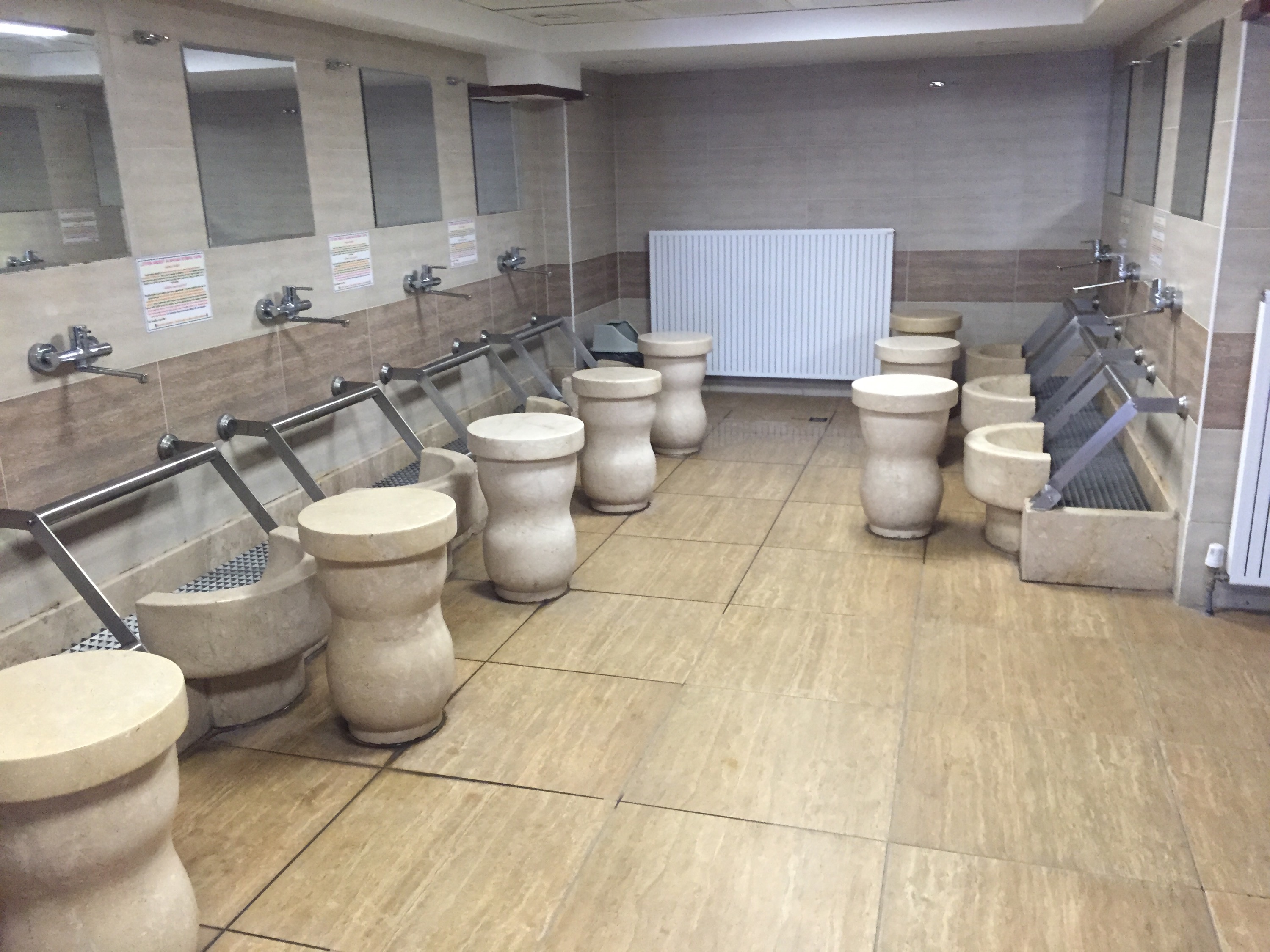
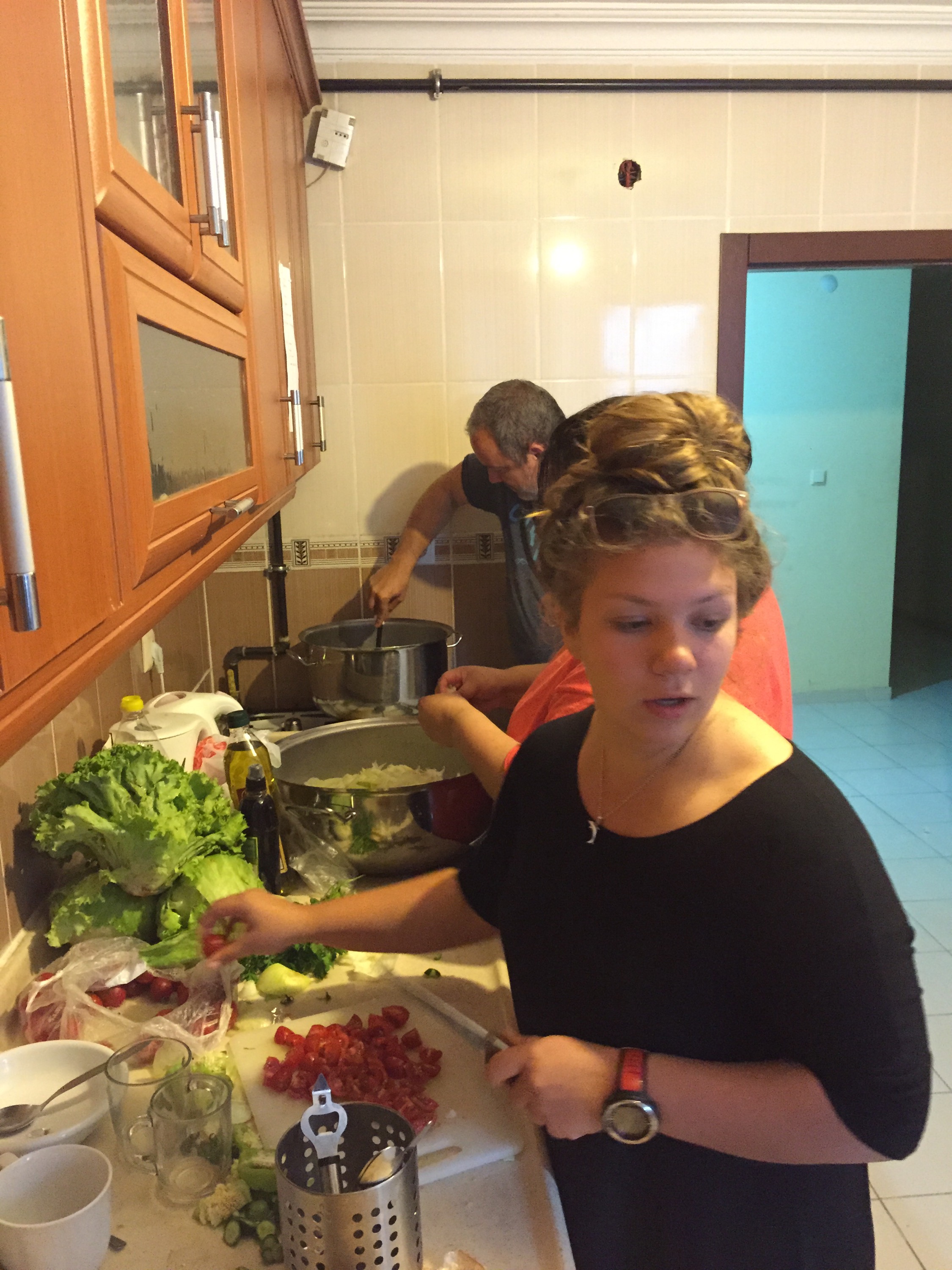
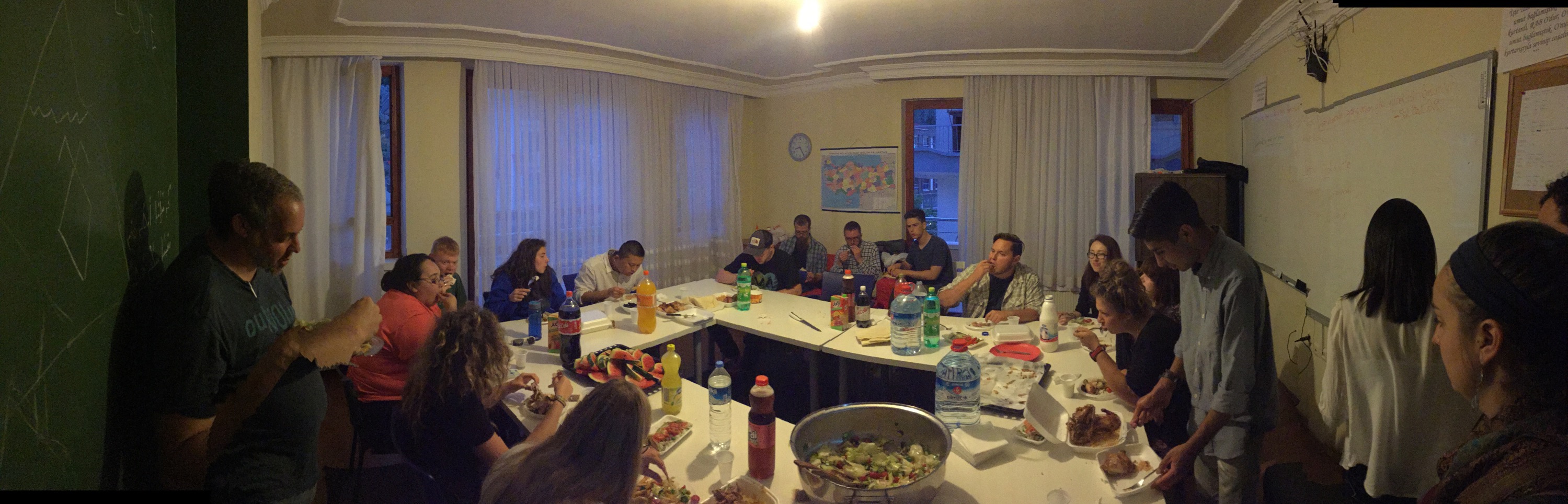
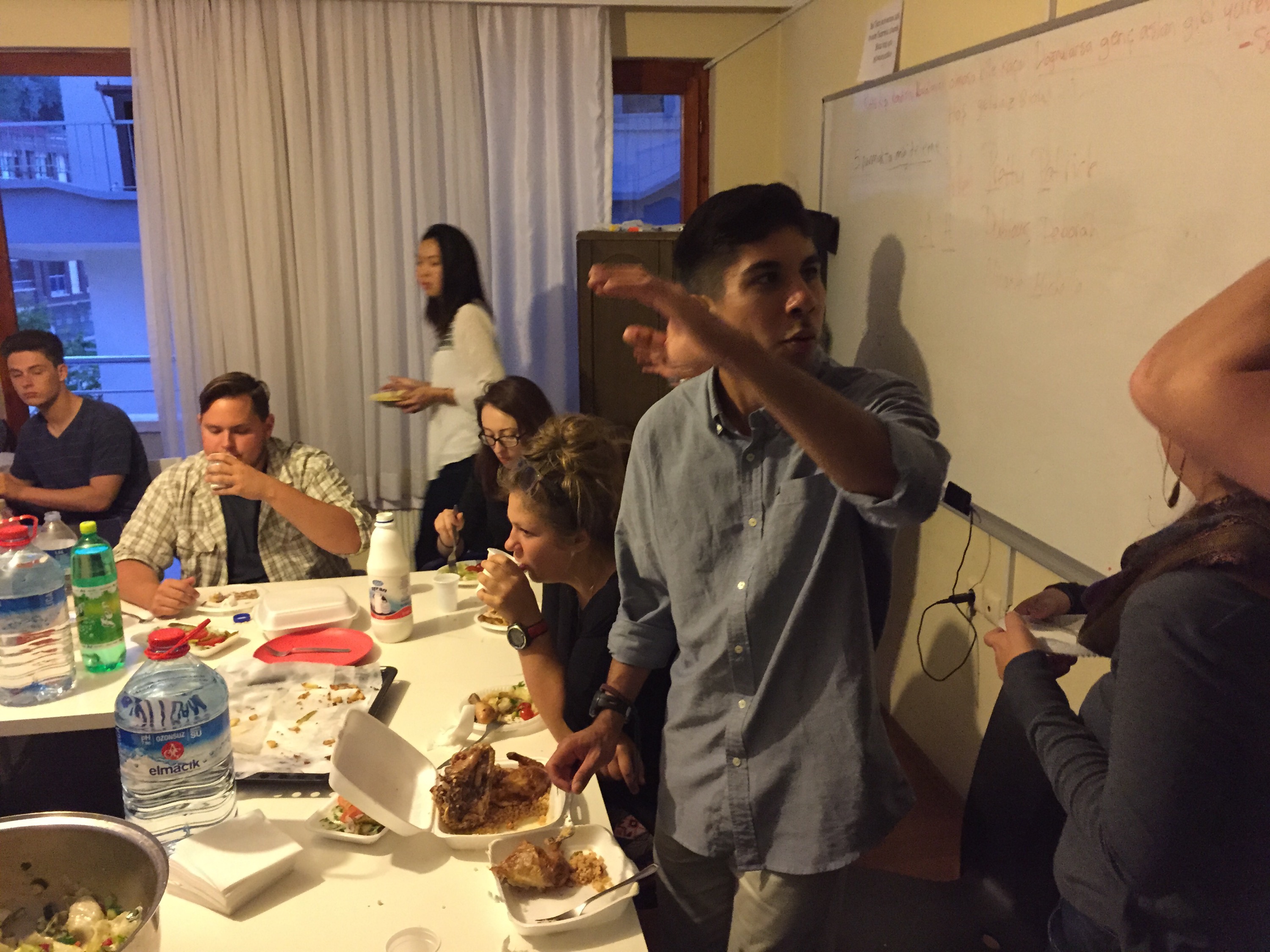
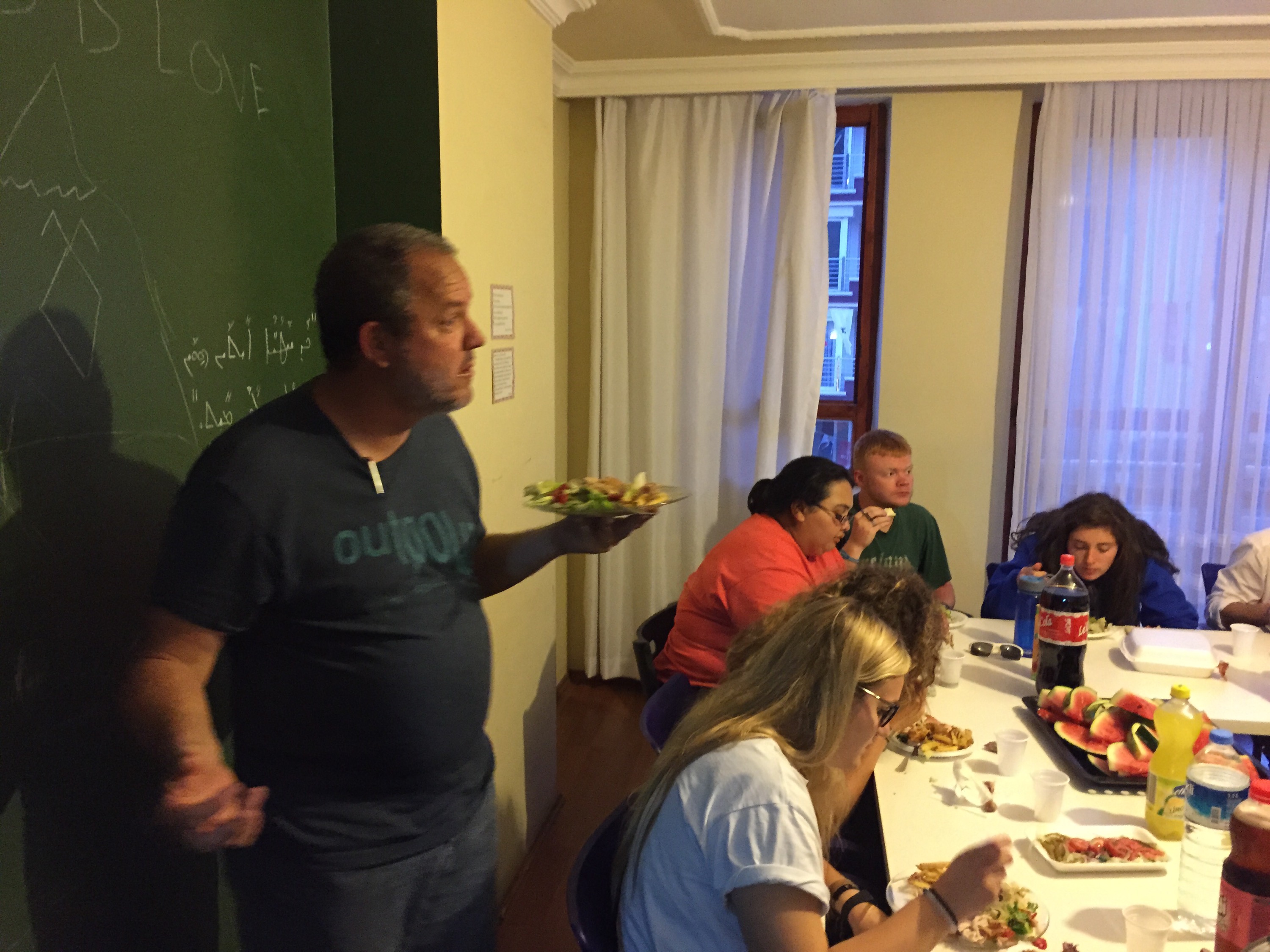
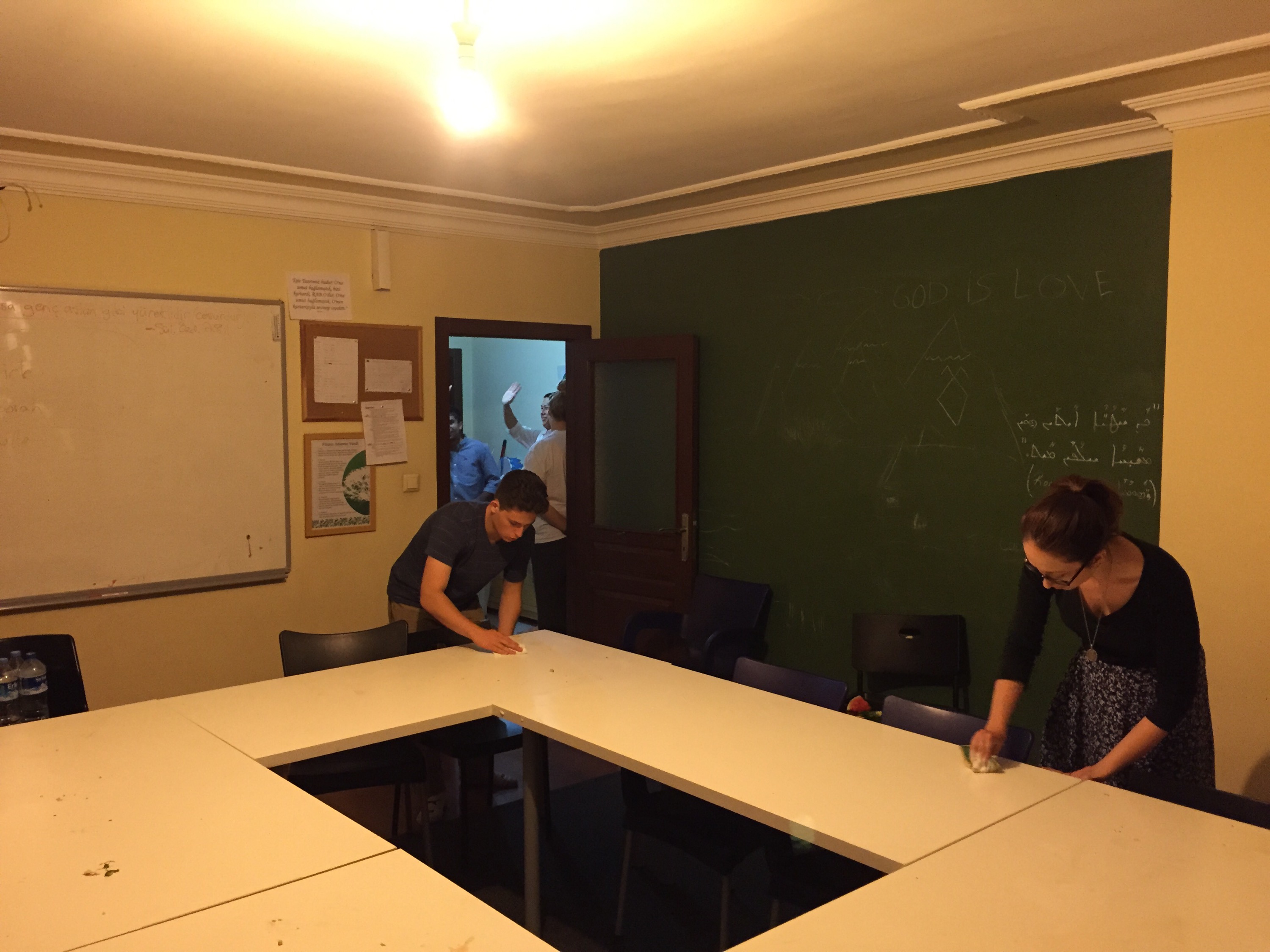
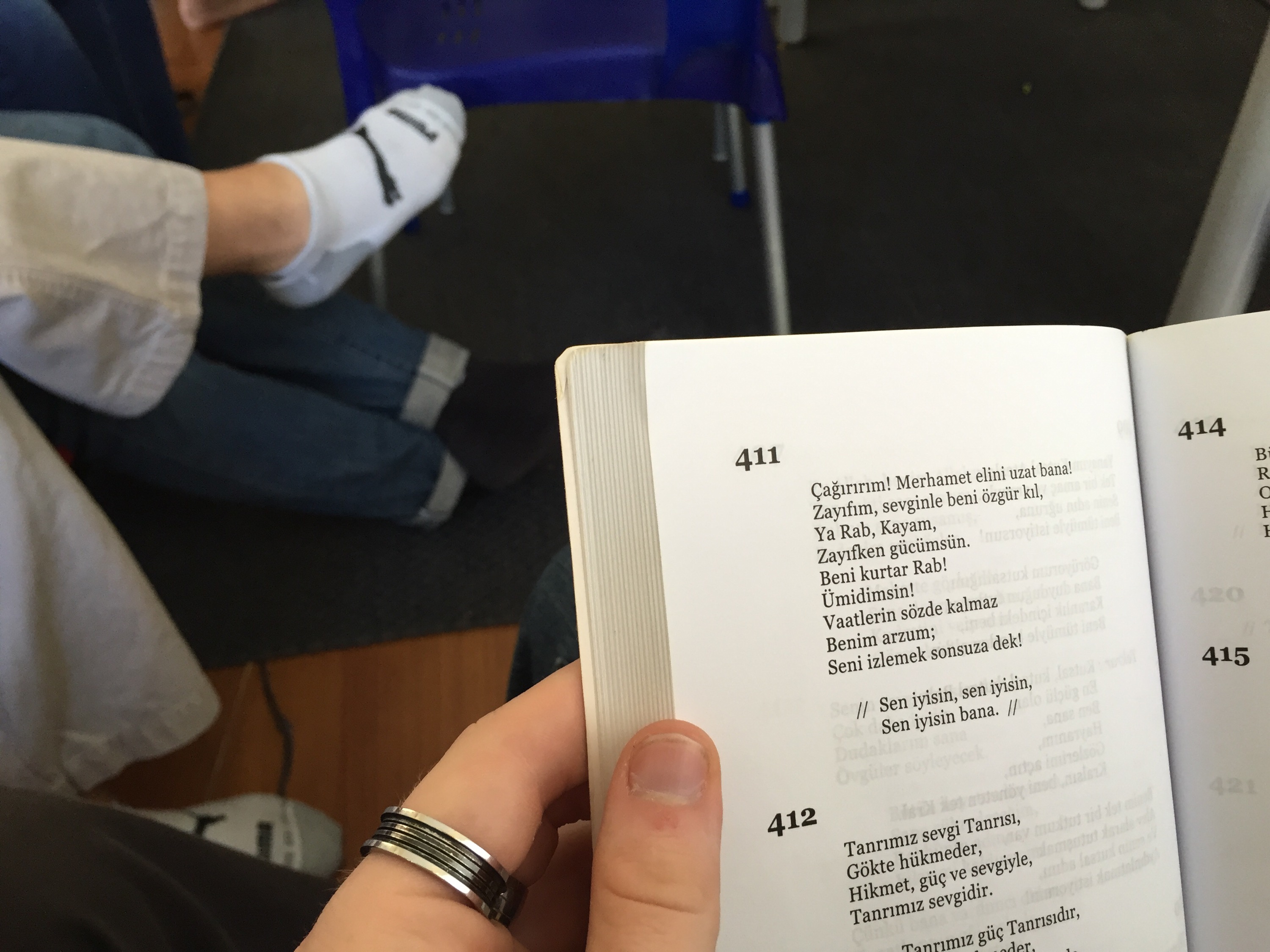 Filipus is a conglomeration of school and business and monastery. They train indigenous and foreign students on ministry to Turkey, The students can’t afford very much and Filipus only charges them about 100 TL a month to live and study here with them. Most of their churches have trouble raising even this meager amount. And this amount is only about a tenth of the actual cost of the program. Filipus has a coffee business (started about 2 years ago) which is meant to provide the funds for all this (much like the monasteries of Christendom.) We’re about to go visit the coffee house and the biggest “public” mosque in Ankara.

















 Moondougie's Blog